......................

Welcome aboard!

I doubt you caused any damage. The front sideplate screw was fitted to the gun and is different from the others. It retains the yoke stud that keeps the cylinder and yoke from coming out of the front of the frame.. This screw has a an unthreaded section at the front. Remove the three screws one at a time and see if they were misplaced. Move them to the correct position and see it solves the issue.
 
Not from thermal expansion, but maybe from lead and carbon. You should get the endplay out of the cylinder. That will hold it back where it belongs and maintain the correct cylinder gap.
 
We use post it notes for shim stock quite a bit at work and most of them lately have been mic-ing closer to .004 for me lately with a light drag.
 
Have you tightened the screws and tried the cylinder? If you are still having problems with it I would suggest a trip to a gunsmith. I have a few 65's with excellent actions. They have been well used and perform perfectly. If you are using the gun for carry, hunting, or plinking if should work perfectly ALL the time. It is a quality revolver that should give you pleasure for whatever you use it for. Be Safe,
 
Welcome aboard!

I doubt you caused any damage. The front sideplate screw was fitted to the gun and is different from the others. It retains the yoke stud that keeps the cylinder and yoke from coming out of the front of the frame.. This screw has a an unthreaded section at the front. Remove the three screws one at a time and see if they were misplaced. Move them to the correct position and see it solves the issue.

Chad has the most likely error nailed down - Someone put the screws back into the incorrect holes.

Another possible solution (or cause) is that the screws were not very tight during shooting and one was lost, then the replacement was never 'fitted' properly, causing the crane to drag and bind during opening/closing process.

Good luck, and welcome to the forum!
 
Can you remove the two screws with the domed head and take pictures of the shafts and post here ? The flat head screw goes all the way left closest to the hammer.
 
Does anyone have a photo/drawing of a sideplate showing the proper location of the screws. I have seen these before but don't have one. That may be a big help to the O/P.
 
The 2 lower ones look alike, one is fitted to the crane, one goes behind the trigger. Usually trading places with these 2 will find the fitted one. The crane will open and close freely with the fitted one, and bind with the other one. It only takes a couple of minutes to do this.
 
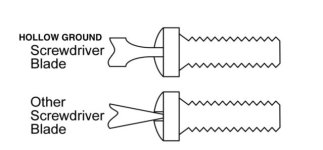
On that era revolver, the two bottom screws on the side plate start out the same. The forward screw is fitted by either filing or stoning the most distal (at the tip) portion of the threads until it can be screwed tight, without binding the yoke. Care must be taken when fitting the screw to not take too much off, or the yoke will have end play. If the yoke gets loose with age and use, the two screws can be swapped with each other, and the "new" end screw is fitted the same way. The third screw, which hides behind the stocks is flat headed and slightly shorter and will fit where the others do but doesn't look right in that position, and will not hold the yoke in place.

As for the B/C gap, as long as it is even and the cylinder does not rub the forcing cone when closed, don't do anything to it. If it rubs after firing, a good cleaning usually gets it back in order. I doubt that revolver got much use, except being taken in and out of a holster when it was secured while the officer was inside the jail. We were issued M65's when I was a CO in a medium security prison. Stainless is perfect for that service, the M10's we had before had all the bluing gone around the cylinder edges and muzzles from holster wear.
 
Last edited:
Snug the shorter of the two in the front sideplate hole and see if the yoke moves freely. Make sure the yoke is all the way back when tightening the screw. The screw for the other hole shown won’t affect the yoke.
 
Are these two screws different? I can't tell, they look very similar.

Okay, so I just need to switch the two screws, tighten them, and see if it binds?

They look the same, and started out that way (same), but the one on the right looks like it has had some fitting work, the edge is slightly rounded when compared to the one on the left. That could come from wear from the yoke rubbing it as the yoke gets opened and closed. You can try swapping them and testing the fit, but I believe the one on the left will be even tighter.

If you feel comfortable removing it, open the cylinder and slide the yoke out of the frame and look at the slot where that screw holds the yoke when assembled. Take some pictures so we can see the wear.
 
Back
Top