Total Makeover

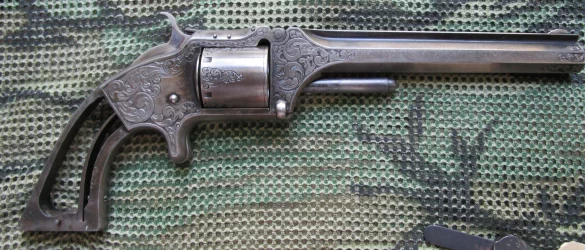
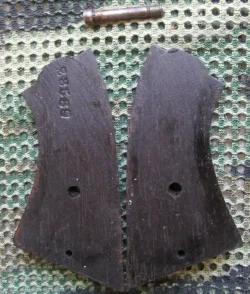
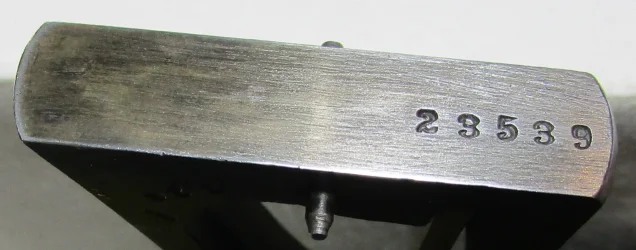
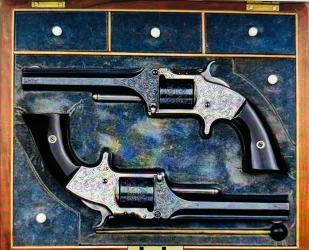
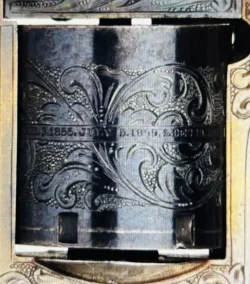
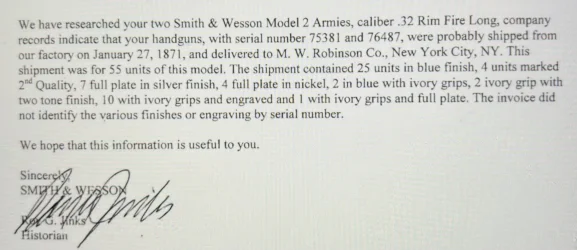
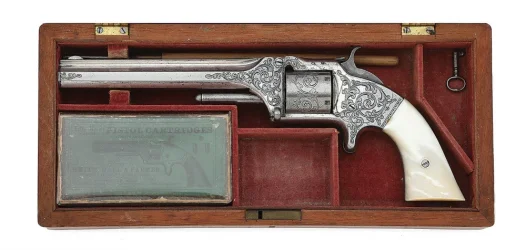
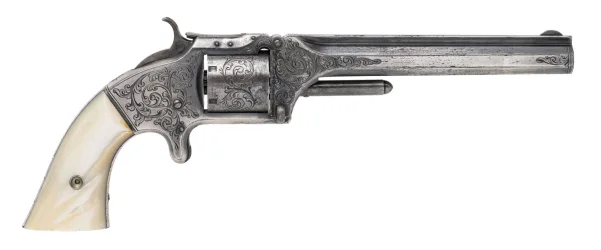
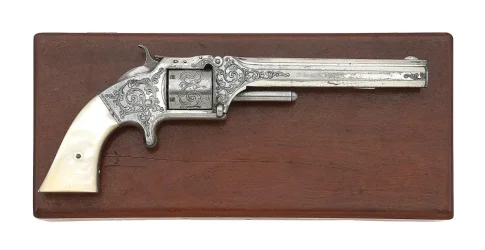
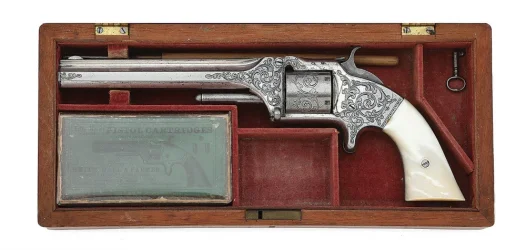
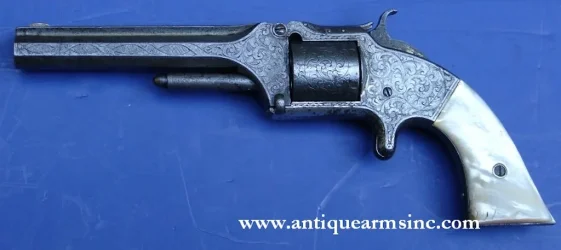
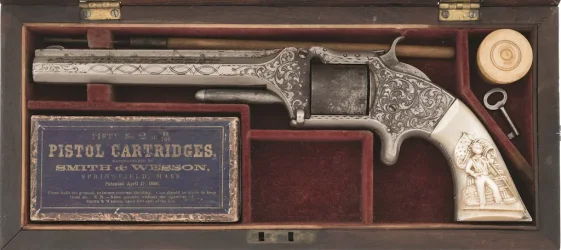
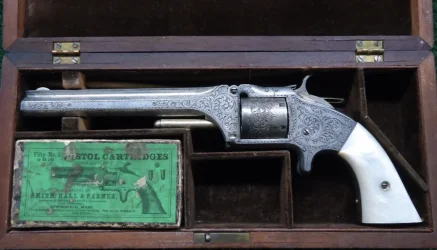
Here is the double case and I found the letter for it. Notice it shipped after the patent expired but the patent on the cylinder is still respected by Smith & Wesson.
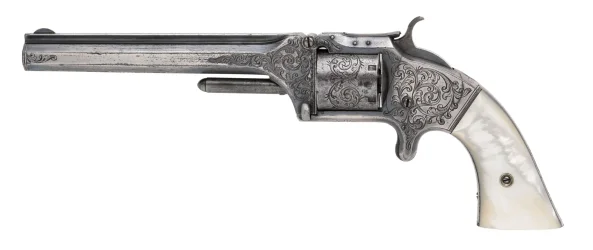
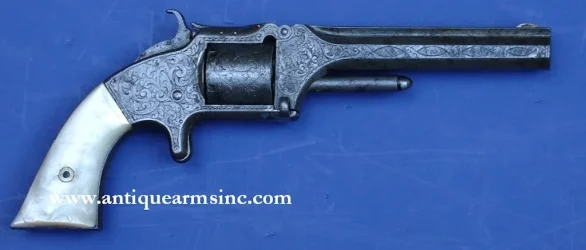
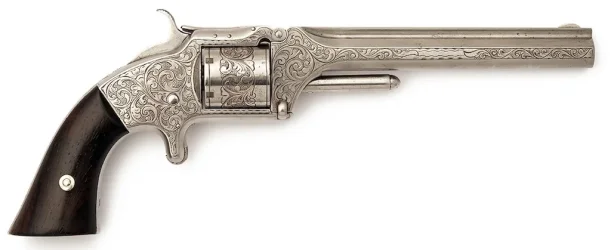
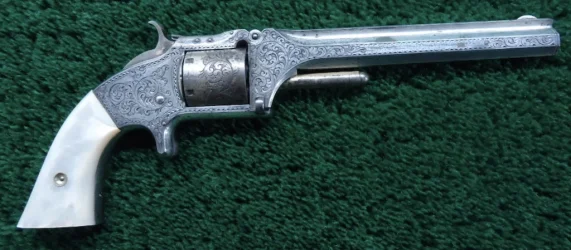
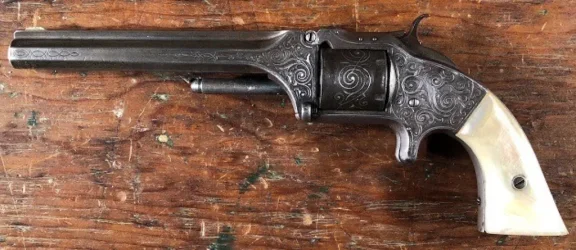
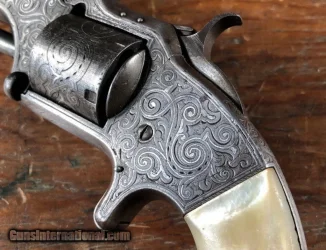
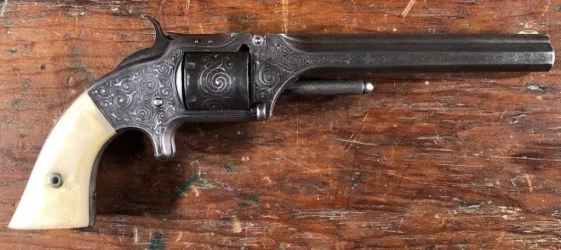
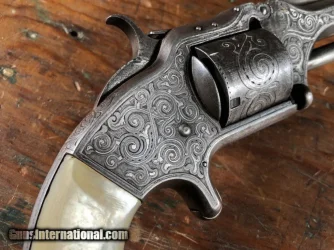
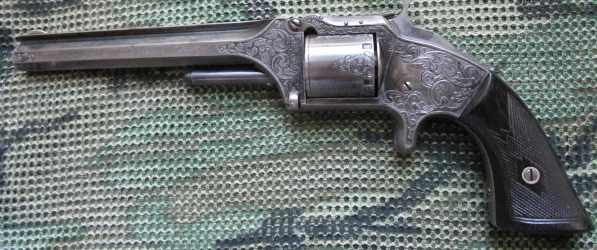
I don’t know if there is any significance to this but one thing is clear. The factory did not engrave over or through the patent stamp.
IMG_1989.webp

IMG_1988.webp

IMG_1987.webp

IMG_1986.webp
 
Those are great!
They don't seem to match the letter?
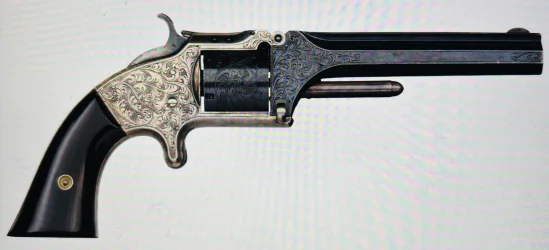
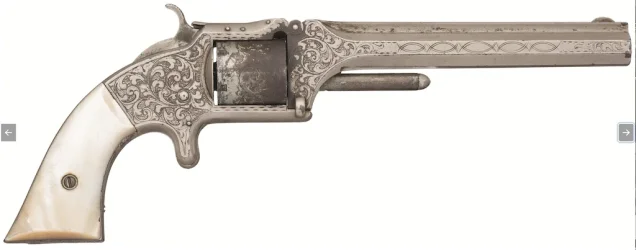
Two tone engraved?
 
The letter states: 2 in blue with ivory grips, 2 ivory grip with two tone finish, 10 with ivory grips and engraved.

Like iby says the guns don't seem to match the letter, but they are mentioned by serial number in the letter.

I think Blue dog is right that on factory engraved guns the engraving did not obscure the patent stamp.

Best regards,
bcowern
 
Last edited:
An error in the Factory letter would not be unusual
 
It appears that it was on Nimschke's whim whether or not he engraved over or isolated the patent stamp when he wasn't hired by S&W.

Best regards,
bcowern
 
Last edited:
I'll bet the sold price is likely a misprint. Probably $82250.00USD
I have a copy of the catalog (Butterfields February 27, 2001) where these were sold and it has the price sheet for the auction. It sold for $8,225.00. I guess you cannot trust everything on the internet........

BTW, this auction catalog is an essential Model 2 guide. The best of the best were in John Otteman's collection.
 
Last edited:
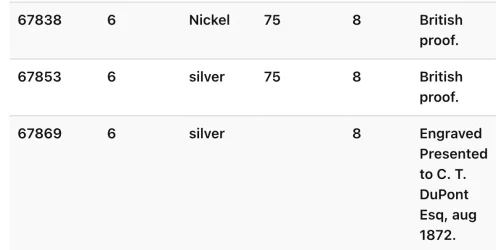
It’s also listed in the survey as British proofed. Might have been gifted to Royalty.
IMG_1996.webp
 
Hi There,

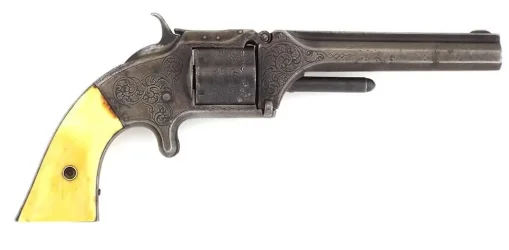
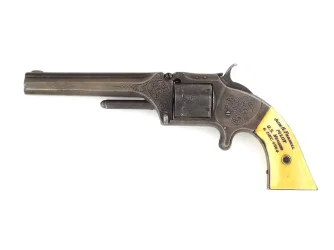
I like seeing these old war horses done-up with frills.

What I find Interesting is profession the owner had in 1864. It is unusual to see
a “Pilot” listed on the grips. For those who may not know what a “Pilot” was;
a pilot was the person that takes effective control of a vessel and guides it into port.
Every major port has them and they are still in use because of insurance underwriters
and maritime safety regulations. In other words, if a cargo vessel is damaged or sunk
and they didn’t use a pilot, it will Not be a covered loss.

Having grown up around the Chesapeake Bay area and spent a lot of time on the water,
I had the chance to meet and learn a lot from the old timers.

Cheers,
Webb
 
Hi There,

TripleLock,

Thanks for posting the fascinating info U.S.S.Neosho.

I think pilots were also used on rivers even when not coming into port.

Yes, that is true too. They were usually a local that knew where the snags
and other hazards were (sand bars and channel depth were constantly
changing hence the need for someone that knew those waters particularly
well and is up-to-date).

Cheers!
Webb
 
Hi There,

I like seeing these old war horses done-up with frills.

What I find Interesting is profession the owner had in 1864. It is unusual to see
a “Pilot” listed on the grips. For those who may not know what a “Pilot” was;
a pilot was the person that takes effective control of a vessel and guides it into port.
Every major port has them and they are still in use because of insurance underwriters
and maritime safety regulations. In other words, if a cargo vessel is damaged or sunk
and they didn’t use a pilot, it will Not be a covered loss.

Having grown up around the Chesapeake Bay area and spent a lot of time on the water,
I had the chance to meet and learn a lot from the old timers.

Cheers,
Webb
I remember coming into Norfolk while stationed on the Nimitz and seeing the Harbor Pilot board the ship while underway. Just got to say the pilot must have had big Brass ones. They would bring a small boat alongside match speed, lean a ladder against the ship and he would climb up the ladder. I thought it was impressive.
 
Back
Top