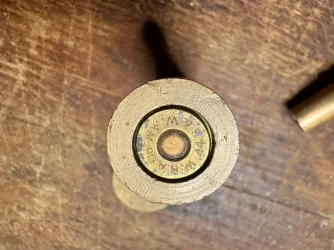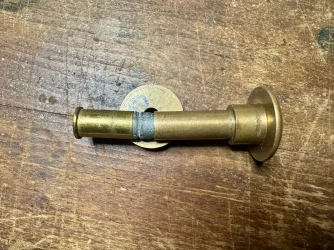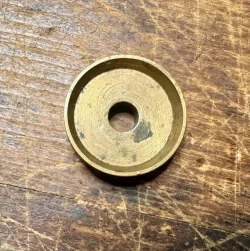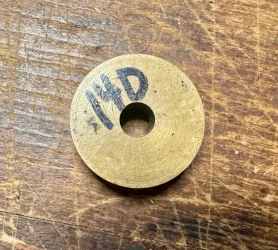
Various Reloading Tools - Looking for input

Joined
Sep 28, 2000
Messages
1,112
Reaction score
4,602
City & State/Province
The Woodlands, Texas
Group,

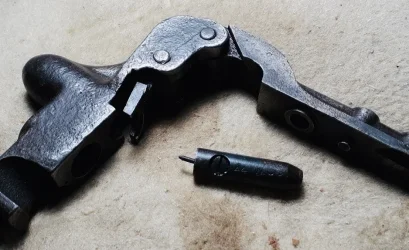
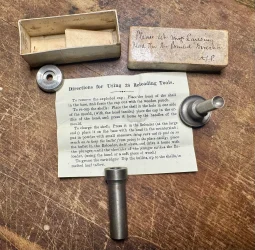
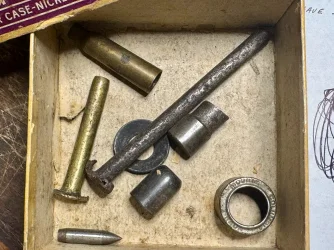
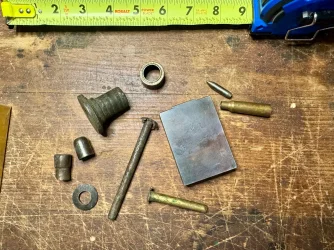
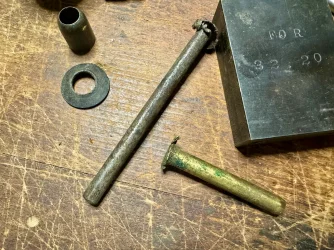
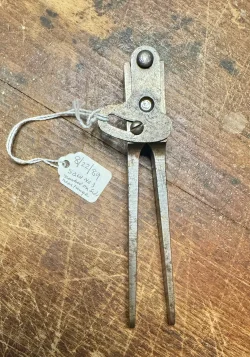
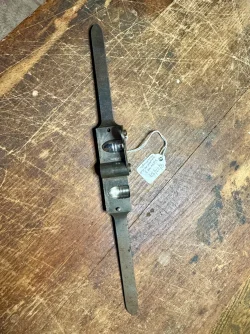
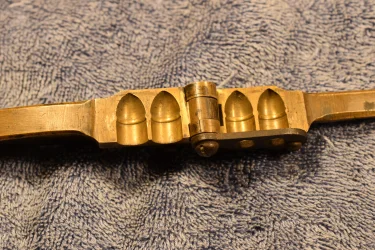
I recently purchased a very large collection of S&W reloading tools. The process of inventorying everything is pretty daunting. While I compile the information on the S&W reloading tools, the collection also came with various other non-S&W tools/parts. On this post I will ask for help identifying the other items in hopes of documenting them. Regards, Lyle
 
Hi There,

This is what I have about those vintage tools.

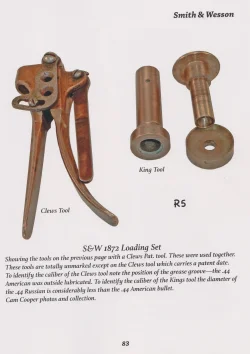
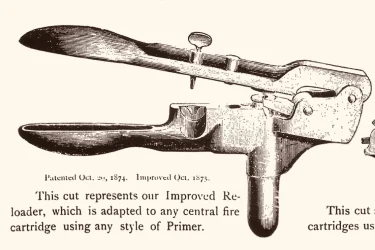
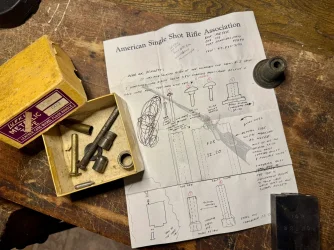
View attachment 892286

This is from Reloading Tools of the Black Powder Era 1850 - 1910 Vol. 2
by Tom Rowe and Ed Curtis.

Cheers!
Webb
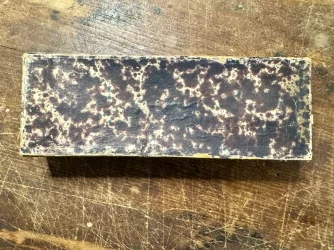
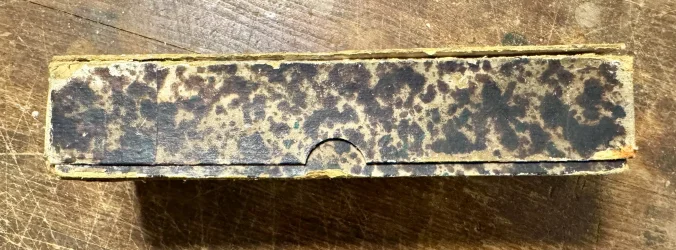
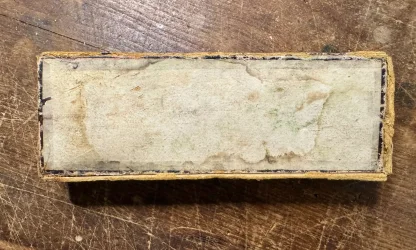
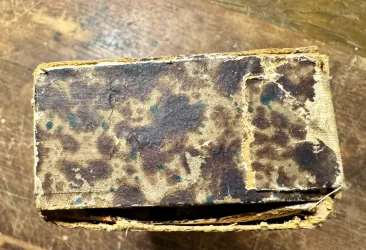
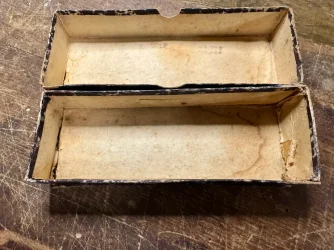
Webb, thank you for the lead on this one. I should have pulled that off the shelf. On the next page it appears to have a box similar to the one in this collection.

IMG_1298.webpIMG_1299.webpIMG_1300.webpIMG_1301.webpIMG_1302.webpIMG_1303.webp
 
Hi There,

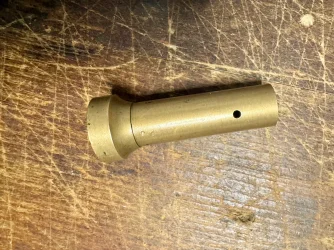
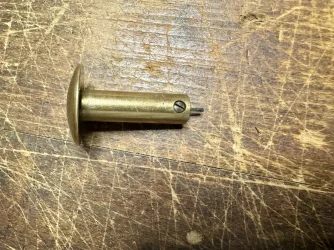
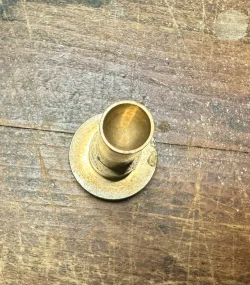
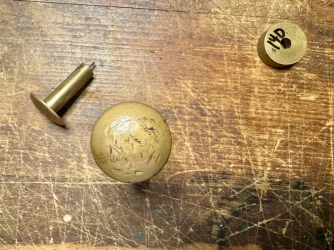
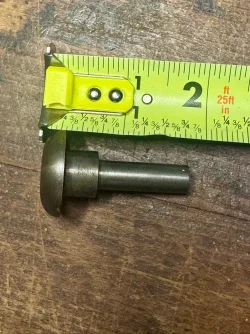
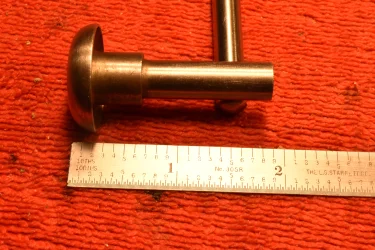
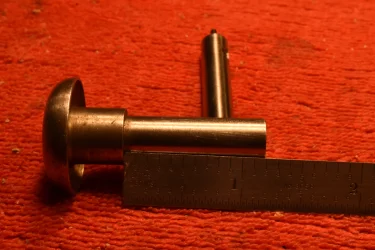
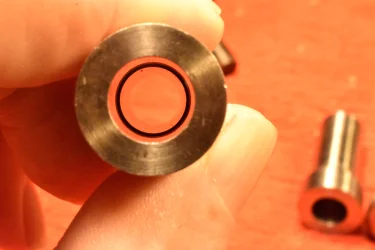
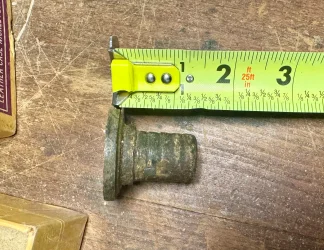
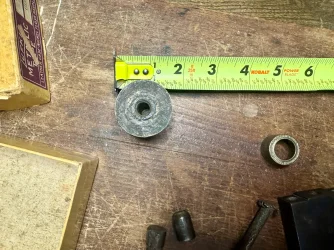
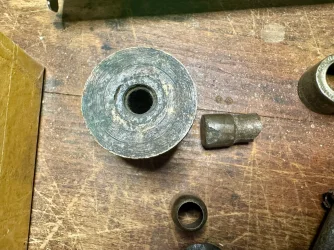
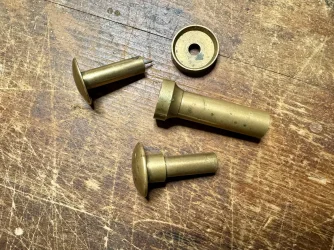
The depriming tool you have is different from the one pictured in
the aforementioned book. They show a wooden mushroom tool
of similar appearance.

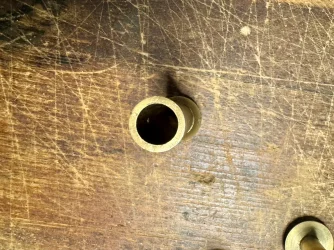
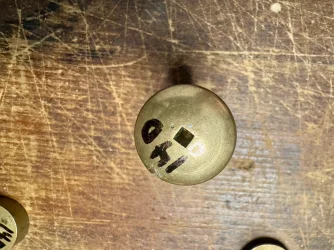
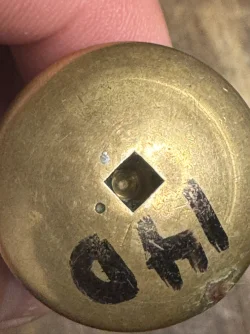
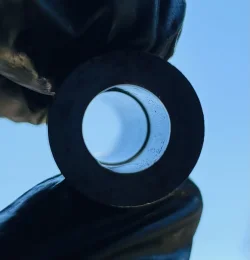
I am curious about the square hole in the top. How deep does it go?

Cheers!
Webb
 
Very nice.
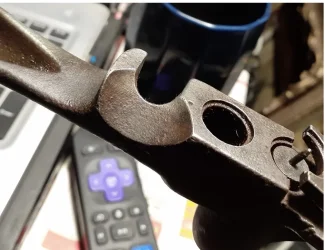
There are more questions than answers for the Clews combo tool and kit.
What’s odd to me is the few tools that I’ve seen and have in my collection all have the Berdan De-primer.
Yet your kit has a boxer de-primer punch.
By 1876 the industry bought into the Boxer type primer and reloading kits were produced in large numbers having the Boxer primer punch.
Winchester tools are an excellent example of the change;

IMG_1793.webp
Notice the Berdan pick on the tool in October 1875!


IMG_1792.webp

IMG_1791.webp
In 1876 the tool included a Boxer primer punch and the Berdan feature was blanked on the tool.

Could be that yours is a very late transitional kit which would mean that there is a Clews tool out there with the Berdan feature removed.
 
Very nice.
There are more questions than answers for the Clews combo tool and kit.
What’s odd to me is the few tools that I’ve seen and have in my collection all have the Berdan De-primer.
Yet your kit has a boxer de-primer punch.
By 1876 the industry bought into the Boxer type primer and reloading kits were produced in large numbers having the Boxer primer punch.
Winchester tools are an excellent example of the change;

View attachment 892308
Notice the Berdan pick on the tool in October 1875!


View attachment 892309

View attachment 892310
In 1876 the tool included a Boxer primer punch and the Berdan feature was blanked on the tool.

Could be that yours is a very late transitional kit which would mean that there is a Clews tool out there with the Berdan feature removed.
Great information as usual!
 
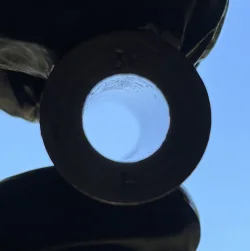
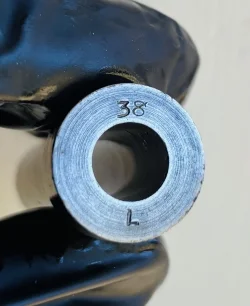
Those are post 1876-1889 reloading tools. The instructions list 38cal but in order to identify which 38 cal you have to look closely at the inside of the die.

Could be for a 38 Long, Short(Colt/Remington) outside lubed or the 38 Smith & Wesson early outside lubed. The die inside specs will tell you along with the length of the bullet seater/plunger.

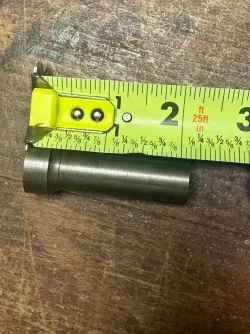
I have one for each caliber mentioned so check out the inside of the die and post the length of the die overall and the length of the plunger overall.
 
Hi There,

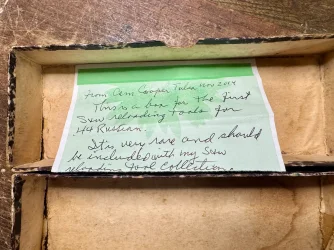
I just noticed something. The pic I posted earlier in the thread says: "Cam
Cooper Photos And Collection." and the note inside the S&W box says: "From
Cam Cooper Tulsa Nov 2014" (this is hand printed on the note with green
tinted paper at the top).

Kinda interesting!

Cheers!
Webb
 
Lyle
I'm glad you got the collection. When I was told it was for sale, your the first person I thougt of. Sadly Ernie Rice was in negotations to buy it, but he got ill. We had plans that I was going to pick it up for him.
 
Lyle
I'm glad you got the collection. When I was told it was for sale, your the first person I thougt of. Sadly Ernie Rice was in negotations to buy it, but he got ill. We had plans that I was going to pick it up for him.
Don, thank you! The collection is pretty overwhelming, but I am having fun photographing and cataloging everything.
 
Hi There,

I just noticed something. The pic I posted earlier in the thread says: "Cam
Cooper Photos And Collection." and the note inside the S&W box says: "From
Cam Cooper Tulsa Nov 2014" (this is hand printed on the note with green
tinted paper at the top).

Kinda interesting!

Cheers!
Webb
Webb, I assume it came from Cam Cooper (I never met him). It could be one of the boxes in the book or an extra. Regards, Lyle
 
Those are post 1876-1889 reloading tools. The instructions list 38cal but in order to identify which 38 cal you have to look closely at the inside of the die.

Could be for a 38 Long, Short(Colt/Remington) outside lubed or the 38 Smith & Wesson early outside lubed. The die inside specs will tell you along with the length of the bullet seater/plunger.

I have one for each caliber mentioned so check out the inside of the die and post the length of the die overall and the length of the plunger overall.
IMG_1435.webpIMG_1436.webpIMG_1437.webp
 
Hi There,

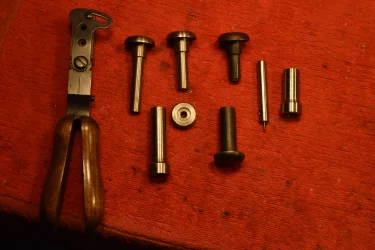
I have punches and dies for .38 S&W. This is my most complete set I have
at the moment.

DSC_0558.webp

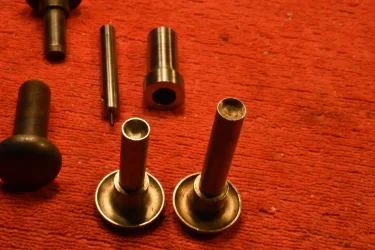
Now first, check on the cavity in the end of the plunger. It will be made for
either a conical bullet or a round one.

DSC_0559.webp

Looking at these two plungers, the shorter one on the left is for a conical
bullet and the longer one is for a round ball.

DSC_0560.webp

The round ball plunger is rebated at its end to fit inside the cartridge case.
This to make low power "gallery" rounds. The balls need to be seated
below the mouth of the cartridge.

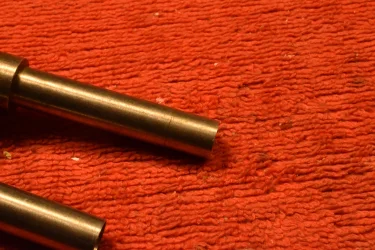
Now, my "short" plunger is very near yours in dimensions.

DSC_0569.webp
DSC_0570.webp

The "barrel" is also close.

DSC_0573.webp
DSC_0575.webp
DSC_0572.webp

Cheers!
Webb
 
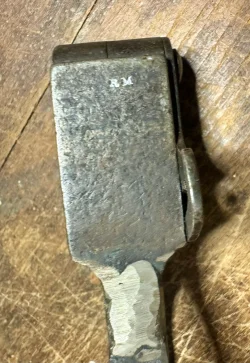
RM is Russian Model. I have one just like it but the handles are straight.

Here are some die photos;
IMG_1810.webp

IMG_1802.webp

IMG_1804.webp

IMG_1805.webp

IMG_1807.webp
The 38 long lacks a case stop inside the die.
Whereas the 38 Smith & Wesson has a case stop.
 
It looks like this is a 38 S&W since it has the case stop. Based on the style of writing on the box lid I am assuming it is from the late 1800's.

IMG_1546.webp
 
Last edited:
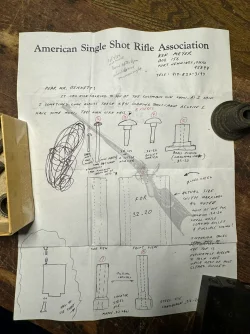
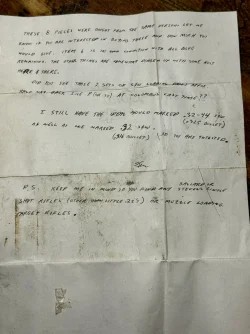
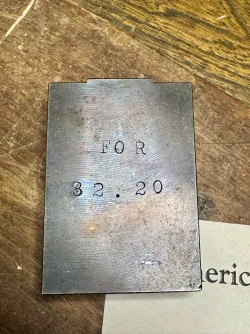
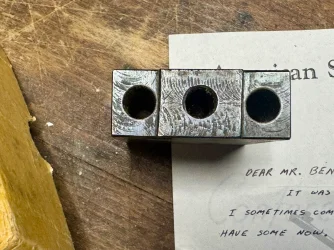
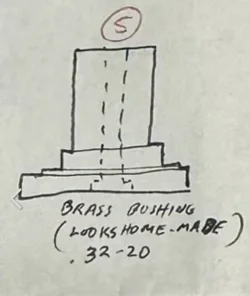
I think for the most part those tools are not commercially produced.
The military loading tools (early) used blocks but not in 32/20. That Winchester/Marlin rifle was extremely popular in the late 1800’s early 1900’s. Very accurate small game round with low recoil and cheap to reload.
The tower loader might be a Whitney die seen in photo but it’s missing a plunger.
Please post a few close ups of this part.
IMG_1829.webp


IMG_1830.webp
The notes claim it looks home made but to me it looks commercially produced.
 
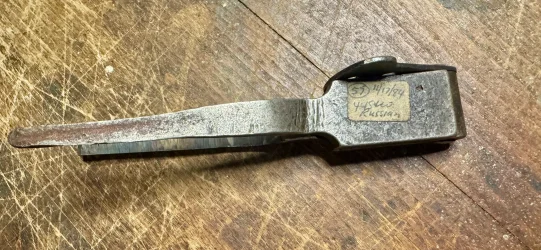
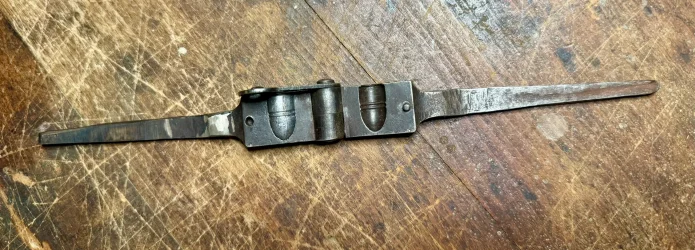
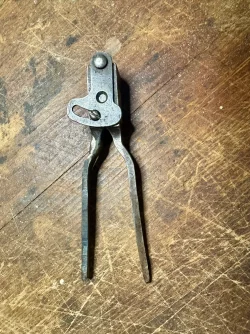
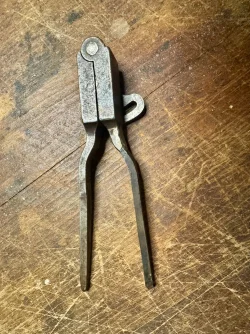
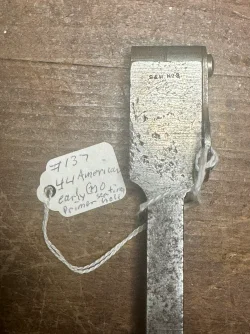
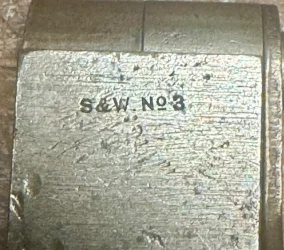
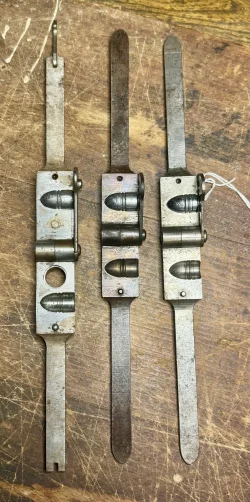
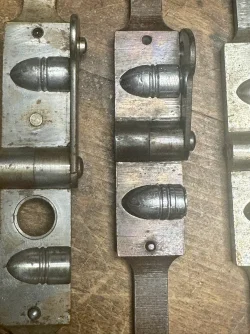
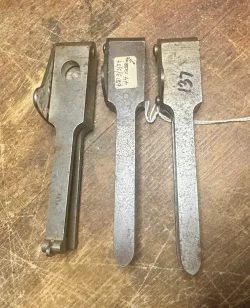
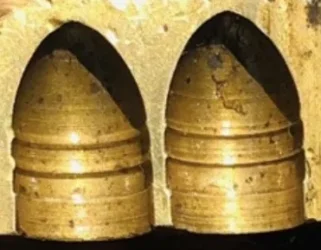
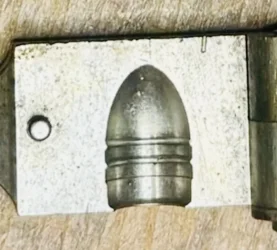
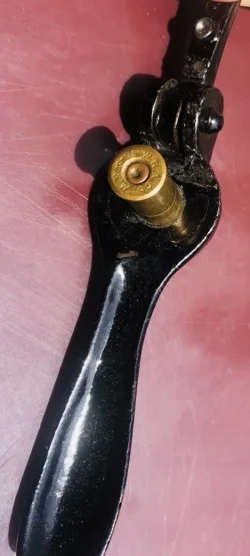
Next up is what I think is an original S&W Iron Handle Reloading tool. According to the notes I received the previous caretaker, he considered it a 44 American reloading tool. This one is stamped "S&W Model 3" and with most of his molds, he left a finished round in it. The additional pictures are for a couple of the 44 Russian Models I received and it clearly is smaller in size. Happy to take measurements to confirm.

IMG_1313.webpIMG_1314.webpIMG_1572.webpIMG_1573.webpIMG_1574.webpIMG_1575.webpIMG_1576.webp
 
Hi There,

Looking at the rebated end to the bullet, it appears it is a .44 American.
The .44 American is actually larger than the .44 Russian (at the widest
point). The rebated end of the bullet will be smaller.

Cheers!
Webb
 
Hi There,

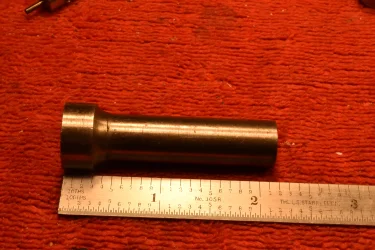
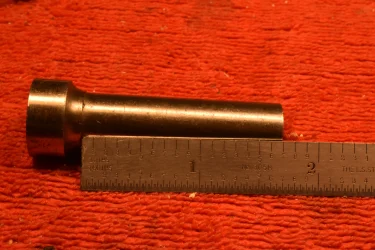
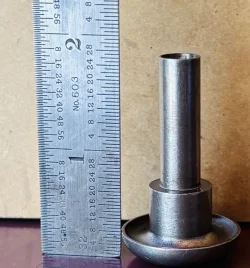
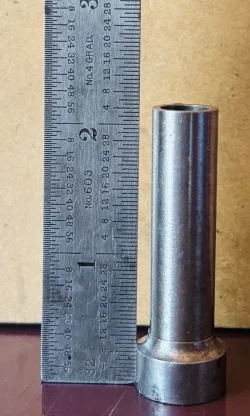
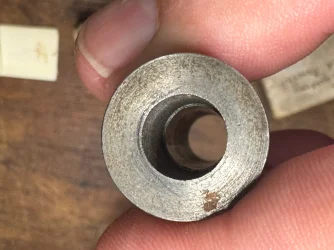
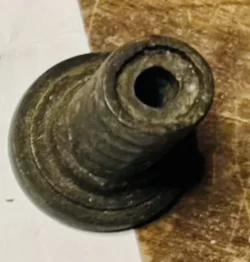
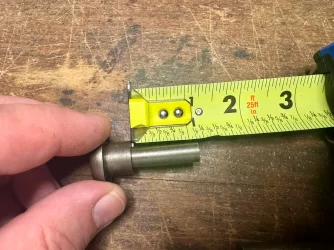
Getting back to your brass/bronze mushroom headed de-priming tool,
I think it may be a Frank Wesson de-priming tool.

I don't know why they put a square hole in the top. What purpose would
it serve? Curious.

Cheers!
Webb
 
Yep,
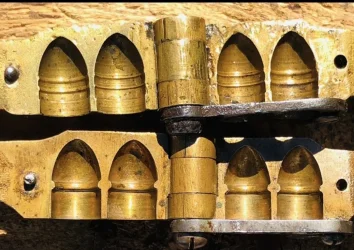
That’s definitely an American bullet mold and the transition from this earlier American Clews tool.
IMG_1977.webp

IMG_1975.webp
You can see the cavities are the same.

IMG_1976.webp
I also have a Clews tool in 44 Russian.
Totally different design. .440 for the American and .430 for the Russian.

That is a very rare mold in iron.

Notice also that the iron molds were improved for loading? The heel is tapered so it will easily press into the shell.

Also the 44 Russian iron tool with the priming feature is the later tool post 1875. Introduced at the same time the Baby Russian (1876)
The earlier tool lacks the priming feature so there was an earlier kit that had a set of tools for priming the case.
Extremely rare.
It was probably a modified shotgun priming tool. UMC and BGI used such a tool in their kits.
 
Last edited:
Looks like this rare bird;
IMG_1978.webp

I have one in 38 cal and one in 44 cal.
Extremely rare tool.
 
Yep,
That’s definitely an American bullet mold and the transition from this earlier American Clews tool.
View attachment 893941

View attachment 893942
You can see the cavities are the same.

View attachment 893943
I also have a Clews tool in 44 Russian.
Totally different design. .440 for the American and .430 for the Russian.

That is a very rare mold in iron.

Notice also that the iron molds were improved for loading? The heel is tapered so it will easily press into the shell.

Also the 44 Russian iron tool with the priming feature is the later tool post 1875. Introduced at the same time the Baby Russian (1876)
The earlier tool lacks the priming feature so there was an earlier kit that had a set of tools for priming the case.
Extremely rare.
It was probably a modified shotgun priming tool. UMC and BGI used such a tool in their kits.
Thank you for the confirmation and great information. I have several more tools to work through. There is not a Clews tool in the collection so I will have to add to the want list.

Regards, Lyle
 
Back
Top